
In the ever-evolving landscape of digital marketing, businesses continually seek innovative ways to enhance their online presence and boost conversion rates. One of the most effective strategies to achieve this is through A/B testing. Traditionally a manual and time-consuming process, A/B testing has been revolutionized with the advent of artificial intelligence. This guide will delve into how AI can be harnessed to optimize A/B testing, leading to higher conversions and improved customer engagement.
The Old Way vs. The AI Way of A/B Testing
Traditionally, A/B testing involved selecting two versions of a webpage or marketing asset and manually comparing their performance over time. Marketing teams would hypothesize which elements might influence user behavior, design variations, and then painstakingly monitor results to identify which version performed better. This method, while effective, was often resource-intensive and slow, limiting the scope for frequent testing and rapid iterations.
Enter AI—a game-changer in the realm of A/B testing. AI not only automates the process but also enhances its precision and scalability. With AI, businesses can test multiple variations simultaneously, analyze vast amounts of data in real-time, and predict outcomes with greater accuracy. AI algorithms can detect subtle patterns and correlations that might be overlooked by human analysts, providing deeper insights into user preferences and behaviors.
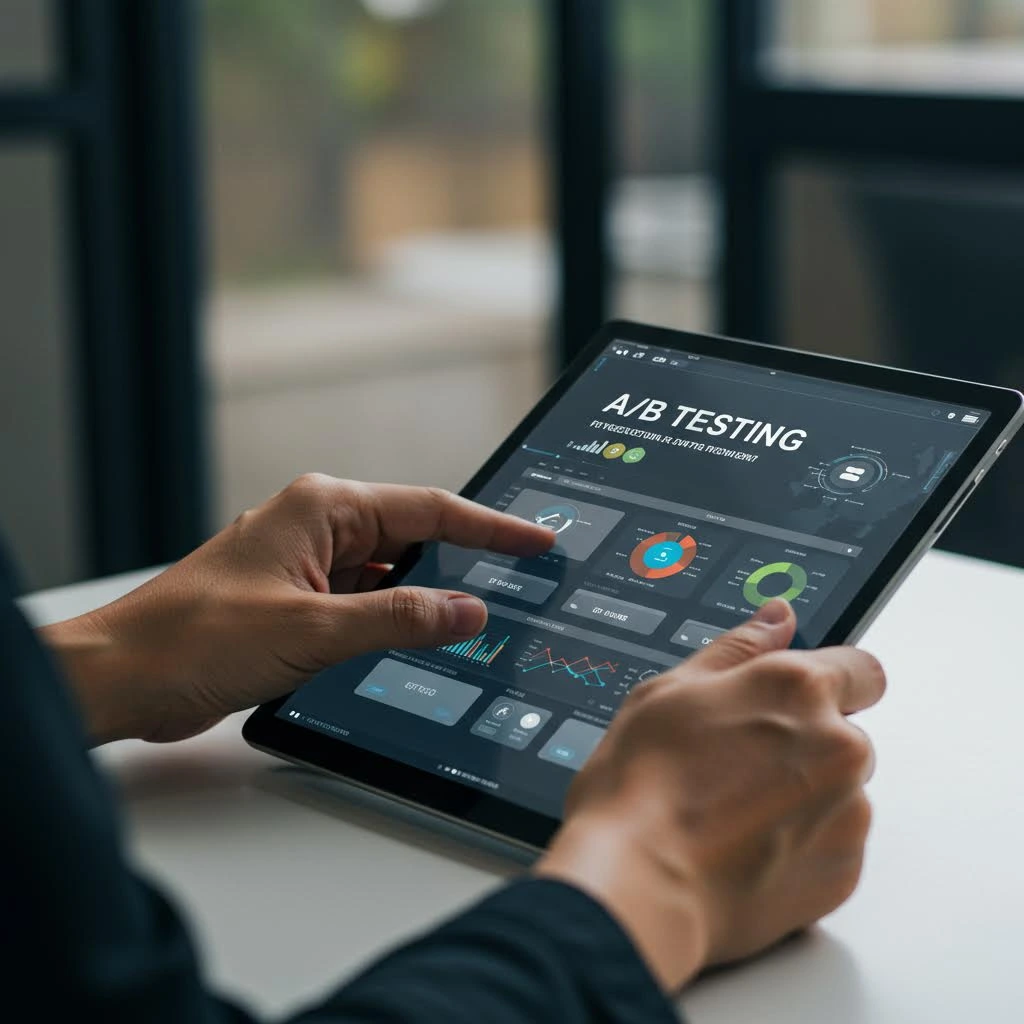
What Elements Can AI Test?
AI-powered A/B testing extends far beyond simple layout changes. It can evaluate a variety of elements that influence user interaction and engagement, such as:
- Website Design: AI can test different layouts, color schemes, and design elements to determine what visually appeals to users.
- Content Variations: From headlines to CTAs, AI can analyze which content formats and messaging resonate most with your audience.
- User Experience: By testing navigation paths and user flow, AI can enhance the overall user experience, leading to increased engagement and conversions.
- Pricing Strategies: AI can evaluate different pricing models and discounts to see which ones lead to higher purchase rates.
- Customer Segmentation: AI can segment audiences based on behavior and demographics to deliver personalized experiences that drive conversions.
Advanced Personalization
AI takes personalization to the next level by analyzing detailed user data to create highly tailored experiences. This might involve customizing product recommendations or tailoring landing pages to match individual user preferences, thereby enhancing the likelihood of conversion.

Interpreting the Results for Maximum Impact
Once AI has conducted A/B tests, interpreting the results effectively is crucial to maximizing their impact. Here’s how you can achieve this:
Data-Driven Decisions
AI provides a wealth of data, but understanding how to interpret this data is key. Look beyond basic metrics like click-through rates and conversions; delve into user behavior analytics, heatmaps, and session recordings to gain a comprehensive understanding of user interactions.
Iterative Testing
A/B testing is not a one-time exercise. Use AI insights to continuously iterate and refine your strategies. AI can facilitate rapid testing cycles, allowing you to implement changes swiftly based on real-time feedback and analysis.
Integration with Marketing Strategies
For optimal results, integrate AI-driven A/B testing with your broader marketing strategies. Align test outcomes with business goals, whether it’s increasing sales, enhancing customer loyalty, or expanding market reach. AI insights should guide strategic decisions across all marketing channels.
In conclusion, leveraging AI for A/B testing opens up new avenues for conversion rate optimization, providing businesses with the tools they need to stay competitive in the digital marketplace. By automating testing processes, enhancing personalization, and delivering actionable insights, AI empowers marketers to make informed decisions that drive business growth.