
The Challenge of Traditional Product Photography
In the world of e-commerce, high-quality product photography is essential. Stunning images can significantly influence purchasing decisions, making photography a crucial aspect of online retail. However, traditional product photography comes with its own set of challenges. Hiring professional photographers can be expensive, and organizing a photoshoot involves logistical complexities, from setting up lighting to arranging props. Additionally, capturing the perfect shot often requires multiple takes, editing, and retouching, which can be both time-consuming and costly.
Moreover, traditional photography is not always accessible to smaller businesses or startups with limited budgets. This creates a barrier to entry, preventing them from showcasing their products in the best possible light. The need for high-quality images that are both cost-effective and easy to produce is a pressing issue in the digital age.
AI Background Removal and Generation
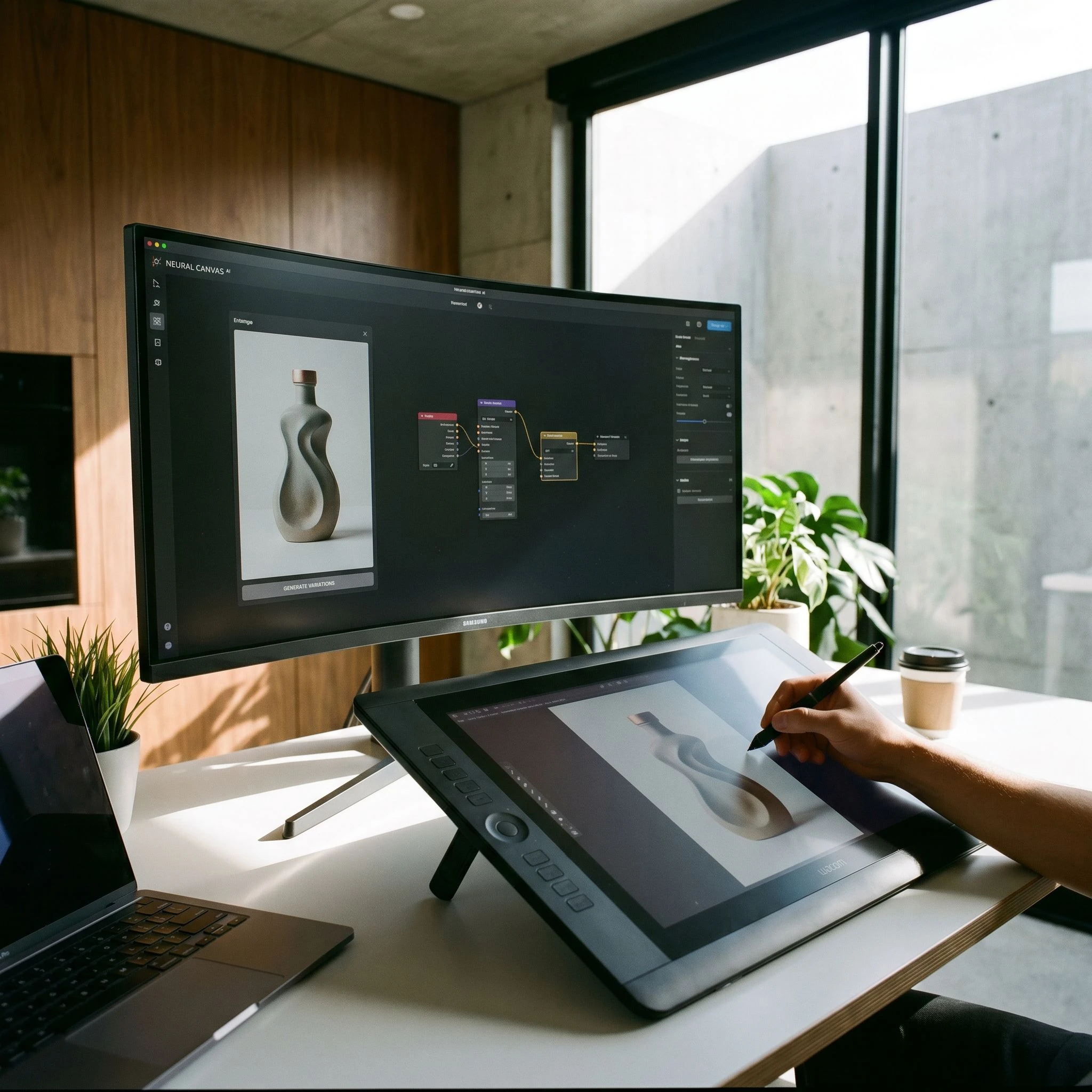
Enter AI, a game-changer in the realm of product photography. AI-powered tools offer innovative solutions that streamline the photography process and make it more accessible. One of the most significant advancements is AI background removal. This technology allows for the seamless removal of backgrounds from product images, enabling businesses to focus purely on the product itself. The result is a clean, professional look that can be easily integrated into various marketing materials.
Beyond background removal, AI technology can also generate realistic backgrounds that suit different contexts and themes. This generative AI capability means that product images can be placed in a variety of settings, from minimalist studio backdrops to vibrant outdoor environments, without the need for physical props or locations. This flexibility not only saves time and money but also allows for creative freedom in how products are presented.
Creating Lifestyle Shots with AI
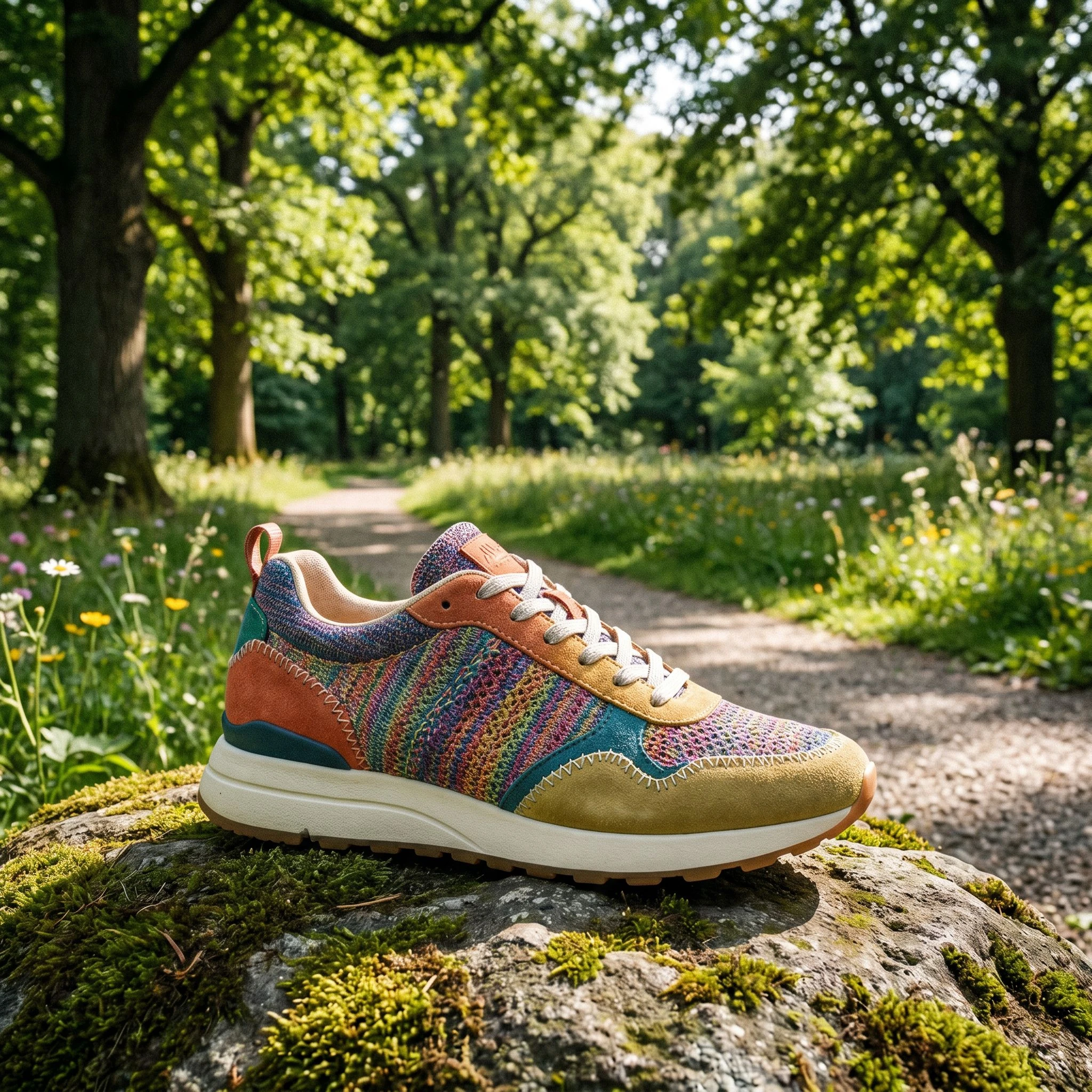
Lifestyle shots are pivotal in telling a product’s story and connecting with consumers on an emotional level. Traditionally, creating these scenes required elaborate setups and sometimes even hiring models. AI has simplified this process by enabling the creation of lifestyle images digitally. Through AI photo editing tools, products can be virtually placed in diverse scenarios, whether it’s a coffee mug on a cozy breakfast table or a piece of furniture in a stylishly designed room.
AI’s capabilities extend to enhancing product images, adjusting lighting, shadows, and even suggesting complementary colors to ensure that the product stands out. Such enhancements not only improve image quality but also ensure consistency across different platforms and marketing channels.
The accessibility and quality improvements offered by AI product photography have profound implications for e-commerce. Businesses of all sizes can now produce professional-grade images without the traditional hurdles. This democratization of technology allows smaller companies to compete with larger players by showcasing their products in the best light possible, ultimately improving their market presence and consumer engagement.
The Future of AI in Product Photography
As AI technology continues to evolve, its applications in product photography are expected to expand further. From personalized image recommendations based on consumer behavior to real-time photo enhancements, the possibilities are vast. The integration of AI with augmented reality could also revolutionize how consumers interact with product images, offering immersive experiences that bring products to life in digital spaces.
Overall, AI’s role in making high-quality product photography accessible is just the beginning of a broader transformation in digital imaging. As more businesses adopt these technologies, the industry will likely see a shift towards more creative and personalized visual content, enhancing the overall consumer experience.