
The Challenge of Traditional Product Photography
Traditional product photography has long been a cornerstone of marketing and e-commerce. However, it is often fraught with challenges that can hinder accessibility and quality. Setting up a professional photoshoot requires specialized equipment, skilled photographers, and often, a significant budget. This can be a barrier for small businesses or startups looking to compete in the digital marketplace.
Moreover, the process of arranging a photoshoot can be time-consuming. Coordinating schedules, securing a location, and staging products can take weeks, if not months. Not to mention, the cost of hiring a professional photographer and renting studio space can quickly escalate, making it an impractical option for many.
Another major challenge lies in post-production. Editing images to ensure they meet the high standards expected in e-commerce requires expertise and time. This includes correcting lighting inconsistencies, removing unwanted background elements, and enhancing product details. These hurdles often result in delays, increasing the time to market for new products.

AI Background Removal and Generation
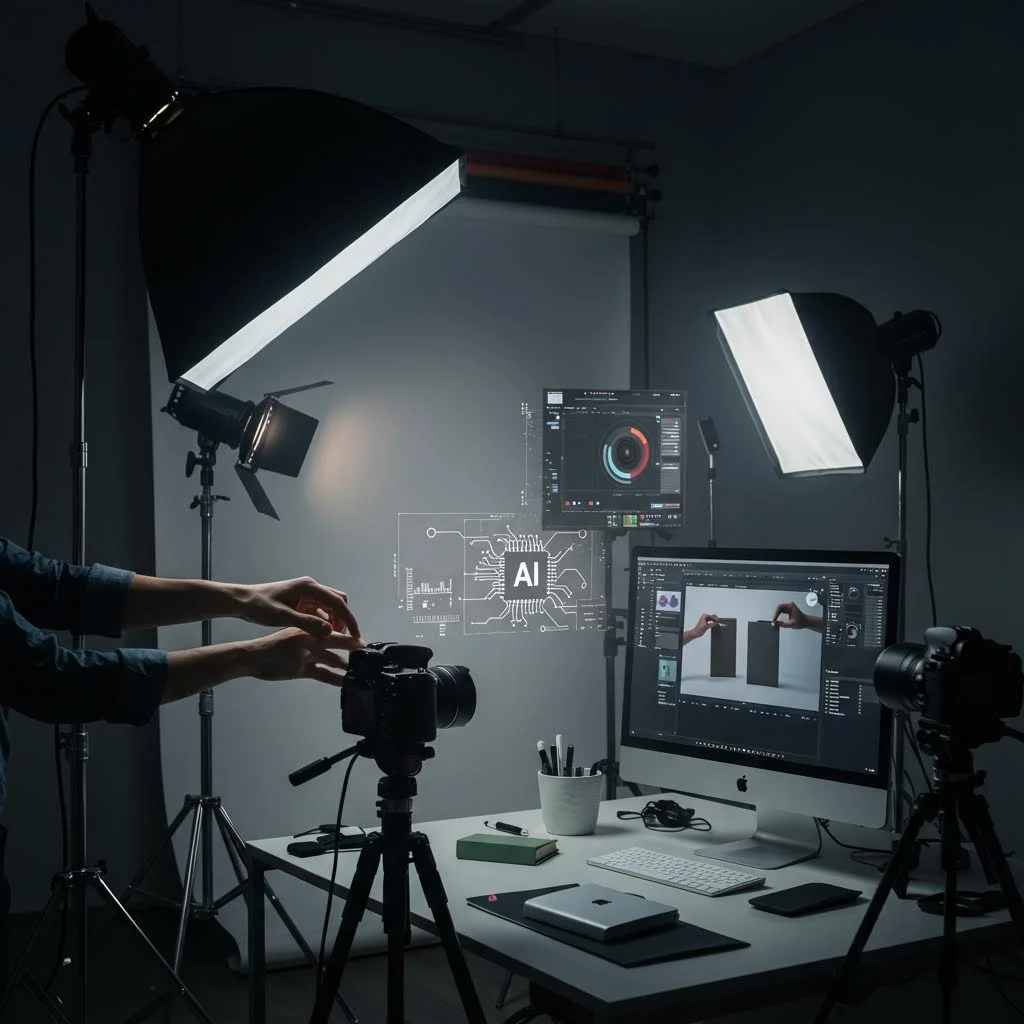
AI technology is revolutionizing how we approach product photography, particularly through background removal and image generation. AI-driven tools have made it possible to automatically remove backgrounds from images, saving time and reducing costs. These tools are designed to accurately detect the edges of products, ensuring a clean, professional look without the need for manual editing.
This technology is not only more efficient but also more accessible. With user-friendly interfaces, businesses of all sizes can employ AI tools without the need for extensive training. This democratization of technology allows smaller businesses to produce images that rival those of larger companies, leveling the playing field in the digital marketplace.
Beyond background removal, generative AI can create new images or enhance existing ones by adding realistic elements. For instance, AI can generate shadows and reflections that add depth and realism to product images. This capability allows businesses to produce high-quality images with minimal resources, making professional-grade photography more accessible than ever before.
Creating Lifestyle Shots with AI
One of the most compelling uses of AI in product photography is the creation of lifestyle shots. These images show products in everyday settings, helping consumers visualize how they might use them in their own lives. Traditionally, creating such images required extensive staging and coordination. However, AI technology can now generate these scenes digitally, offering a cost-effective and flexible solution.
AI tools can blend product images with various backgrounds and contexts, creating a seamless and natural look. This capability not only saves time but also opens creative possibilities for marketers. By using AI, businesses can easily test different settings and styles to see what resonates best with their audience.
Furthermore, AI-generated lifestyle shots can be tailored to specific demographics, enhancing personalization in marketing strategies. This means businesses can create multiple versions of an image, each designed to appeal to different segments of their audience, all with minimal additional cost.
The ability to quickly produce a diverse set of images can significantly impact a business’s ability to engage with its audience. By using AI to craft compelling product narratives, businesses can enhance their branding efforts and drive conversions.
In conclusion, AI is making high-quality product photography accessible by overcoming the traditional barriers of cost and complexity. By leveraging AI tools for background removal, image generation, and lifestyle shot creation, businesses of all sizes can enhance their visual marketing strategies and compete more effectively in the digital landscape. As AI technology continues to evolve, it promises to further transform the world of product photography, making it more efficient, creative, and accessible than ever before.