
The rapid advancement of artificial intelligence (AI) has sparked a range of emotions across various industries, with marketing being no exception. The question on many professionals’ minds is: Will AI replace marketers? While it’s true that AI is transforming the landscape, it should be viewed as a powerful tool that complements human creativity and strategic thinking rather than a replacement for it. This thought leadership piece explores the tasks AI will automate, the new skills marketers will need, and the promising prospect of a human-AI partnership.

Tasks AI Will Automate
AI’s capabilities in automating routine and data-driven tasks are unparalleled. Tasks such as data analysis, customer segmentation, and even content personalization are increasingly being handled by sophisticated algorithms. For instance, AI can process vast amounts of consumer data to generate insights at speeds unimaginable to human analysts. This automation not only enhances efficiency but also allows marketers to focus on more strategic initiatives.
Moreover, AI-driven tools can automate email marketing campaigns, optimize ad spending across platforms, and provide real-time analytics. These capabilities free marketers from the mundane, allowing them to engage in creative problem-solving and strategic planning. By automating repetitive tasks, AI empowers marketers to allocate more time and resources to developing innovative campaigns and building stronger brand narratives.
New Skills Marketers Will Need
As AI takes over certain functions, marketers will need to adapt by acquiring new skills. The future of marketing will demand proficiency in data interpretation, AI tool management, and an understanding of machine learning principles. Marketers will become hybrid professionals, blending creative instincts with technical acumen.
Data literacy will become a critical skill, as marketers will need to interpret AI-generated insights effectively to make informed decisions. Additionally, familiarity with AI tools and platforms will be essential, as marketers will need to leverage these technologies to enhance campaign effectiveness. Understanding the ethical implications of AI in marketing will also be crucial, as professionals navigate data privacy concerns and ensure responsible use of AI technologies.
The Human-AI Partnership
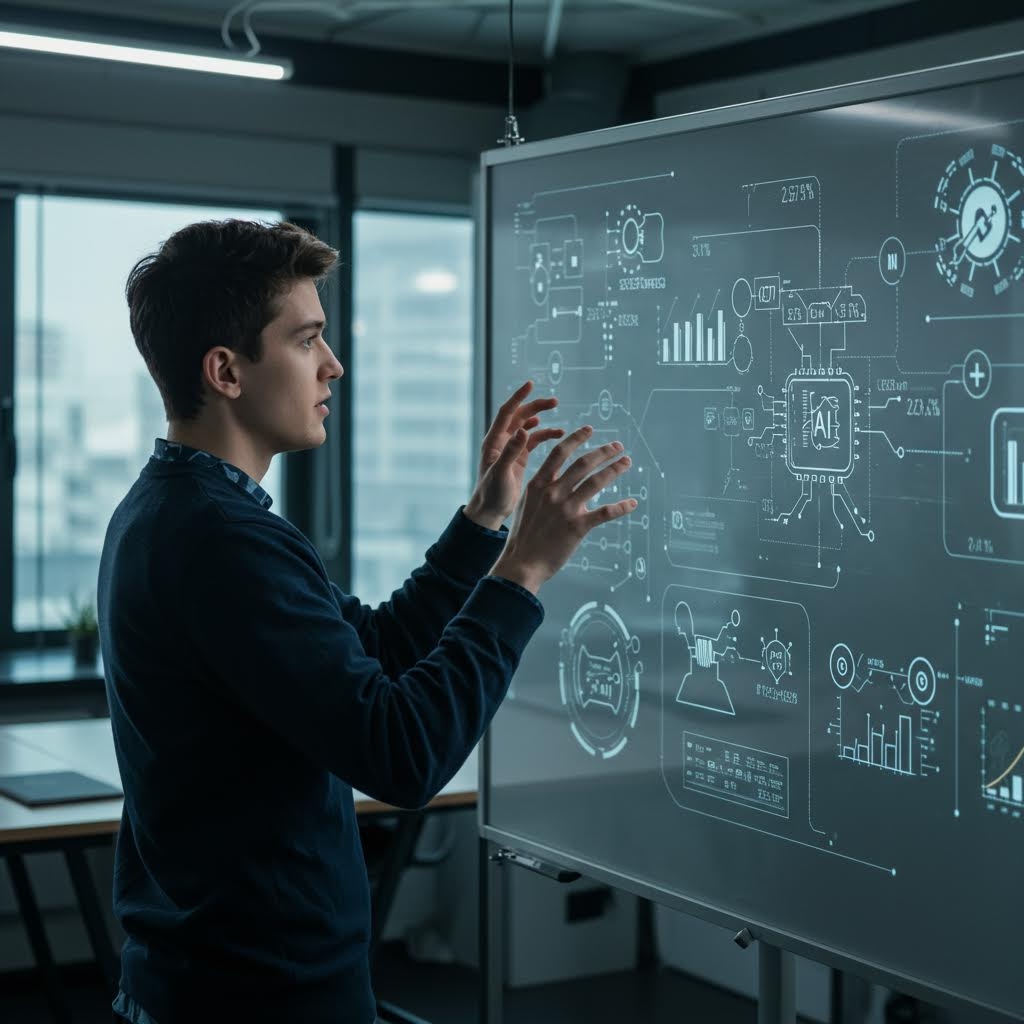
Rather than fearing replacement, marketers should embrace AI as a partner that amplifies their capabilities. AI can serve as a co-pilot, offering insights and suggestions that enhance decision-making and creativity. This partnership allows marketers to push the boundaries of what’s possible, experimenting with new ideas and approaches that were previously constrained by time and resources.
For example, AI can analyze consumer behavior trends and suggest content strategies that align with emerging interests. Marketers, with their unique understanding of human emotions and cultural nuances, can then craft messages that resonate on a deeper level. This synergy between AI’s analytical strengths and human creativity leads to more impactful and personalized marketing efforts.
As marketing continues to evolve, the role of AI will undoubtedly become more prominent. However, the essence of marketing—a deep understanding of human needs and the ability to connect with audiences on an emotional level—remains inherently human. By embracing AI as a tool that enhances their skills and capabilities, marketers can thrive in this new era, shaping the future of the industry.
In conclusion, AI will not replace marketers but will transform the way they work. By automating routine tasks, enhancing data-driven decision-making, and fostering creativity, AI serves as a catalyst for innovation. Marketers who adapt to this changing landscape by acquiring new skills and embracing the human-AI partnership will find themselves at the forefront of the future of marketing.