
In the ever-evolving world of e-commerce, businesses are continually seeking innovative strategies to enhance customer experience and drive sales. One such strategy gaining momentum is dynamic product bundling, powered by artificial intelligence (AI). This tactic not only increases the average order value (AOV) but also fosters customer satisfaction through personalized shopping experiences. In this comprehensive guide, we delve into what dynamic bundling entails, how AI optimizes this process, and showcase real-world examples of effective bundling in action.
What is Dynamic Bundling?
Dynamic bundling is a strategy where products are grouped together in various combinations based on consumer purchasing behaviors, preferences, and trends. Unlike traditional bundling, which offers a fixed set of products at a discounted price, dynamic bundling adapts to the individual customer’s needs and wants in real-time. This flexibility allows retailers to present the most relevant product combinations, thereby increasing the likelihood of conversion and enhancing the shopping experience.
Dynamic bundling leverages data analytics and machine learning algorithms to identify patterns in customer behavior. By analyzing historical purchase data, browsing patterns, and demographic information, businesses can predict which products are likely to be bought together. This approach not only boosts sales through cross-selling and upselling opportunities but also enhances customer satisfaction by offering tailored recommendations.
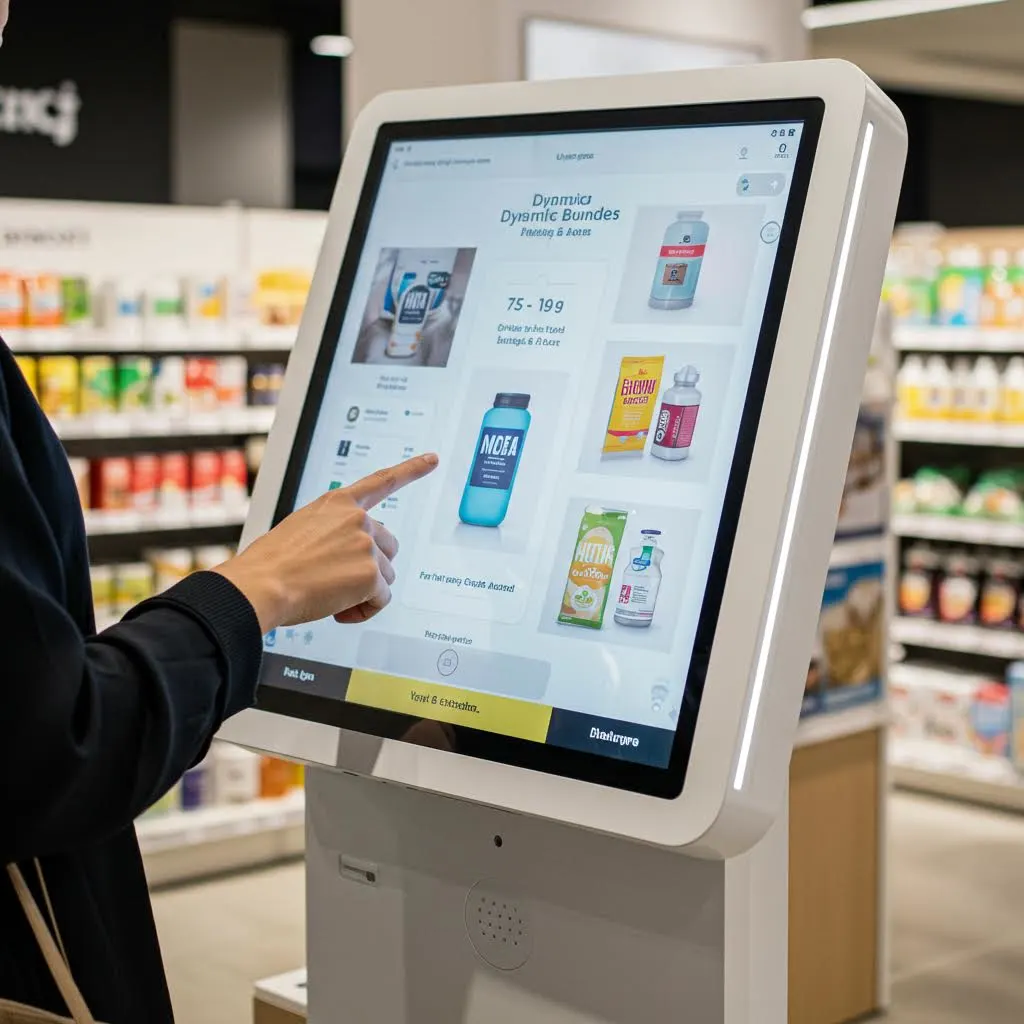
How AI Creates the Perfect Bundle
Artificial intelligence plays a pivotal role in the effectiveness of dynamic product bundling. AI algorithms analyze vast amounts of data to understand consumer preferences and predict future buying behavior. By integrating AI into the bundling process, businesses can automate and optimize product combinations to meet consumer demands efficiently.
One of the key benefits of AI in dynamic bundling is its ability to personalize offers at scale. Through machine learning, AI systems can continuously learn and adapt to changes in consumer behavior, ensuring that the bundles offered are always relevant and appealing. This capability not only increases sales but also reduces the likelihood of cart abandonment, as customers are presented with options that resonate with their individual needs.
Moreover, AI can enhance the bundling process by analyzing competitor pricing, market trends, and inventory levels. This data-driven approach enables businesses to adjust their offerings dynamically, ensuring they remain competitive while maximizing profitability.
AI in Action: Personalizing the Customer Journey
Consider an online fashion retailer using AI to bundle products dynamically. By analyzing customer data, the AI system identifies that a certain demographic often purchases sneakers, a hoodie, and a cap together. The retailer can then create a personalized bundle for users matching this demographic profile, offering a slight discount to encourage purchase.
Furthermore, AI can facilitate A/B testing of different bundling strategies to determine which combinations yield the highest conversion rates. This iterative approach allows businesses to refine their bundling techniques continuously, enhancing overall sales performance.

Examples of Effective Bundling in Action
Successful implementation of dynamic bundling can be seen across various industries, from fashion to electronics. Let’s explore a few examples:
Fashion Industry: Enhancing Style with AI
In the fashion industry, dynamic bundling is used to create curated outfits based on customer preferences and previous purchases. For instance, an AI-driven system might suggest a combination of a dress, shoes, and accessories that align with a customer’s style and past buying patterns. This tailored approach not only simplifies the shopping process but also increases the likelihood of a complete outfit purchase.
Electronics: Boosting AOV with Smart Bundles
Electronics retailers often use dynamic bundling to offer complementary products such as smartphones and accessories. By analyzing customer data, retailers can identify which accessories are frequently bought with specific phone models and offer them as a bundle at a discounted price. This strategy not only boosts AOV but also enhances customer satisfaction by providing a comprehensive solution.
Grocery Retail: Tailoring Offers to Consumer Needs
Grocery retailers utilize AI to bundle products based on customer dietary preferences and shopping habits. For example, a health-conscious shopper might be offered a bundle of organic fruits, vegetables, and snacks. This approach not only encourages larger purchases but also builds customer loyalty through personalized shopping experiences.
In conclusion, dynamic product bundling powered by AI is transforming the e-commerce landscape. By leveraging data-driven insights and advanced algorithms, businesses can create personalized bundles that enhance customer satisfaction, increase sales, and drive growth. As AI technology continues to evolve, so too will the potential for innovative bundling strategies that cater to the ever-changing needs of consumers.