
Why Personalization Matters
In today’s competitive e-commerce landscape, personalization is no longer a luxury; it’s a necessity. Customers expect tailored experiences that cater to their unique preferences, and businesses that fail to deliver risk losing out to those that do. Personalization fosters a deeper connection between the brand and the consumer, enhancing customer satisfaction and loyalty. When customers feel understood and valued, they are more likely to return, thereby increasing their lifetime value.
Personalization also helps in reducing choice overload, a common phenomenon in online shopping. By narrowing down options to those that align with individual preferences, businesses can simplify the decision-making process for their consumers, leading to higher conversion rates.
Types of AI Recommendation Engines
AI recommendation engines come in various forms, each utilizing different algorithms to personalize the shopping experience. Collaborative filtering is a popular method that analyzes past user behavior to suggest products. Content-based filtering, on the other hand, uses product features to recommend similar items. Hybrid systems combine these approaches to offer more accurate suggestions.
Another innovative type is the deep learning-based recommendation system, which leverages neural networks to learn complex patterns in consumer behavior. This advanced technology can predict future preferences, providing highly personalized recommendations that feel intuitive and timely.
Best Practices for Implementation
Implementing AI recommendations requires a strategic approach. Firstly, businesses must ensure they have access to quality data, as accurate recommendations rely on robust datasets. It’s also crucial to maintain transparency with consumers about how their data is used, fostering trust and compliance with privacy regulations.
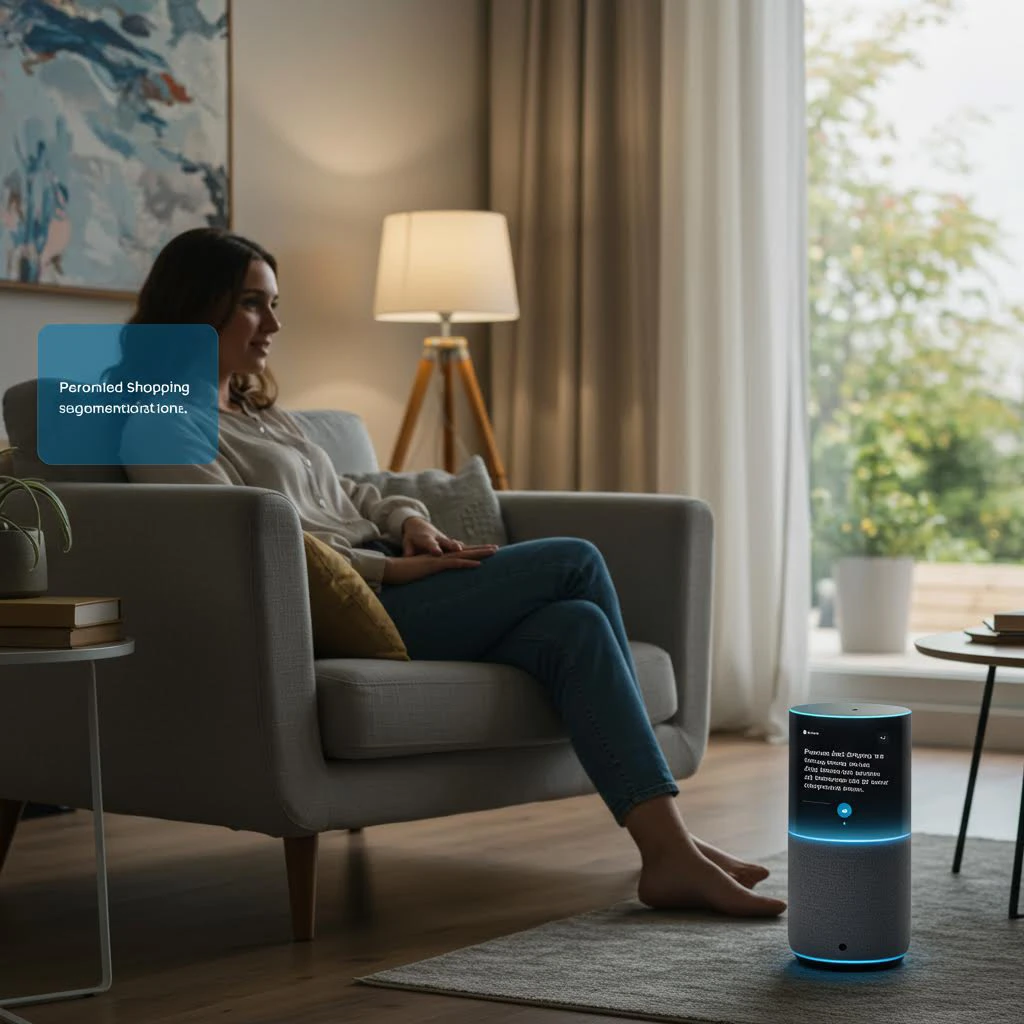

Moreover, continuously testing and refining algorithms is essential for maintaining recommendation accuracy. Incorporating customer feedback into this process can significantly enhance the system’s effectiveness. Lastly, integrating AI recommendations seamlessly into the user interface is vital for ensuring a smooth and engaging customer experience.
Linking a Great Shopping Experience to Higher Lifetime Value
A personalized shopping experience directly correlates with increased customer lifetime value. When customers receive relevant product suggestions, they are more likely to make purchases, leading to higher revenues. Furthermore, personalization enhances customer loyalty, as satisfied customers tend to become repeat buyers and brand advocates.
Ultimately, the strategic implementation of AI product recommendations not only improves the e-commerce experience but also drives long-term business growth. By investing in personalization, businesses can elevate their competitive edge and secure a loyal customer base.